lunes, 9 de noviembre de 2015

How & When To Use A Tourniquet

No one wants to deal with an injury. However, injuries do happen, and it is important for everyone to know what to do if you or a your loved one gets injured, especially something as serious as a deep laceration.  A person who is suffering from massive bleeding can quickly go into shock and die. When pressure points and bandages fail to control bleeding, there is another option available to you.

The Tourniquet

Dr. David Johnson is an ER physician. and writes for the Wilderness Medical Association. Last year, he discussed some of the misconceptions about the tourniquet and dispelled myths. He has stated that it is relatively rare for a death to occur as the result of a carefully applied tourniquet. Dr. Johnson has also stated that tourniquets can save lives, so it is important for people to know how and when to apply one. They also need to know where to apply the tourniquet and how long it should be applied.

How You Can Improvise

There are a variety of first aid products that you can buy that will help someone who has severe bleeding. It is a good idea to keep your first aid kit stocked with these supplies. If you do not have one of these products, or they are not working well for you, then there are options. Here is how you can improvise and make your own tourniquet:

  1. A piece of clothing might be your best option, providing it can be wrapped around an extremity and tightened. A belt or shirt can be used.
  2. The material you use needs to be long enough so that it can wrap every appendage several times.
  3. The next step is to fold in a two-inch band. Keep the material flat and smooth in order to prevent it from pinching your skin.
  4. You will need to tighten the tourniquet with a ridged stick. This will prevent the tourniquet from breaking or loosening.

How To Use The Materials

Both you and the person who is injured are most likely panicking. Stay calm and focused so you can properly apply the tourniquet.

  1. The best place to apply the tourniquet is three or four fingers above the injury.
  2. You will need to pad the site. If possible, you should keep clothing over the site. Try to keep the tourniquet as smooth as possible.
  3. Create a half knot and place a stick over it. Complete the other half.
  4. Turn the stick and increase the pressure until the bright red bleeding has stopped. The blood may still ooze, but it is controlled. Do not over-tighten it.
  5. Take the rest of the material and knot the stick down the appendage so that it cannot be unwound, but it can be released if needed.
  6. Put a T on the person’s forehead if possible.
how to apply a tourniquet

source: medical-dictionary.thefreedictionary.com

Problems Associated With Tourniquets

Tourniquets can save a life. However, they are not perfect. A tourniquet can cause the following complications:

  • Muscle and skin tissue damage
  • Appendage loss
  • Damage to the nervous tissue

How Will I Know When To Remove The Tourniquet?

One hour after applying the tourniquet, you should ask the following questions.

  • Is the person still bleeding?
  • Is the person in shock?
  • Will we be able to get professional help within an hour?

The tourniquet can be released if the answer to aforementioned questions is no. This will need to be done slowly. Here is what you need to look for:

  • Did the person start bleeding again?
  • Is the person showing symptoms of shock?

If the answer to those questions is yes, then you can tighten the tourniquet back up.

A tourniquet can control bleeding that can potentially be deadly. The thighs and upper thighs are the ideal places to apply a tourniquet. The tourniquet should be applied two to four inches above the injury site.  Hopefully you will never have to use this guide, but if you remember these easy tips, you might just save a persons life.

Featured image source: youtube.com

Source: How & When To Use A Tourniquet by Roger Steele via Ready Tribe - Don't Just Survive, Thrive!.


sábado, 7 de noviembre de 2015

Growing Your Own Penicillin is Actually Pretty Easy

When preparing for some worldwide catastrophe, antibiotics are an incredibly important item to have around. Problem is, though, that antibiotics have a fairly short shelf life when compared to most other pill medications and can potentially become toxic. Likewise, if you end up needing an antibiotic and take one that stopped having active compounds, whatever infection you’re trying to fight will just end up taking over.

Thankfully, making your own penicillin is actually really easy as discussed over at AnonHQ.com, and using this method could literally mean the difference between life and death in a situation where doctors and medication are inaccessible. It might be pretty nasty taking the penicillin, but compared to the alternative, surviving really seems worth the terrible flavor.


From AnonHQ:

It is time for a thought experiment. You are living in the middle of the zombie apocalypse, in a dash your partner has deeply slashed their leg. As you take shelter the next few days, your partner begins to develop a noticeable infection. Keeping in mind that in real world cases infections can result in serious medical concerns, cause the loss of a limb or end with death if left untreated. Without access to modern medical supplies, would you know what to do to help your partner? Here is one cheap, easy way to potentially save your partner from these fates.

  • Take bread and place it in a bag or container
  • Let sit until spores begin to form
  • Take all the bread and break it up into smaller pieces
  • Add some moisture (light misting) and place the broken up pieces back in the same sealed bag or container
  • Monitor the mold growth and do not remove until the majority of the mold culture begins to turn decidedly green.

CONTINUE READING INSTRUCTIONS

Image via Wikimedia Commons

Source: Growing Your Own Penicillin is Actually Pretty Easy by Rick Sunderland via Ready Tribe - Don't Just Survive, Thrive!.


jueves, 5 de noviembre de 2015

20 Gun Safety Tips You Should Know

The right to bear arms is a big responsibility for those who choose to exercise it. Guns are deadly weapons and are designed to cause serious physical injury or to kill. Just one bullet could have tragic repercussions if it hits a human being.

According to statistics, the risk of injury or death involving a gun increases when it is kept at home. However, many people keep guns at home for the purpose of defending themselves against potential armed intruders. Despite this, people can avoid injuries and fatalities at home if they follow firearm safety rules. Additionally, many people say that hunting and target shooting are safe sports, and they are when the participants take safety precautions.

Whether a gun owner or user is a novice or professional, an accident could occur if the individual is not serious about practicing proper safety techniques. Carefully practice the following gun safety tips to avoid hurting someone that you are trying to protect, harming yourself or causing damage to your or others people’s property.

1. Know How to Operate Your Gun

Read the manual that comes with your gun. You must understand how to safely open and close the action of the gun and how to safely remove ammunition from it and the magazine.

gun operation and maintenance

source: blog.cheaperthandirt.com

2. Secure Your Gun, and Store It in a Safe Place

One of the biggest responsibilities of owning a gun is ensuring that it is safe and secure. This is a full-time task because you have to make sure that it is out of reach of children or other unauthorized users and that it is separated from its ammunition. If you fail to achieve this, the results could involve serious injury or death to someone you care about.  We have a great article about concealed gun storage safes that you should definitely check out.

gun safe with ammunition

source:moneysafehome.com

3. Use Trigger Locks

Trigger locks are essential to keeping children from accidentally loading and firing your weapon accidentally. For combination trigger locks, use a number sequence that only you will know.  For key locked trigger locks, always keep the key stored in a location away from the weapon.

handgun trigger lock

source:www.courant.com

4. Keep Your Gun Away From Children

If you keep a gun in your home, make sure that you unload and lock it away so that children cannot handle it. Additionally, keep the ammunition for it in a separate container and area of the home. Even with these precautions, however, it is safer to not keep a gun in your home.

5. Teach Everyone in Your Home About Gun Safety

Firearms are not toys, so you should strongly convey to everyone in your home, including children, how dangerous guns are both inside and outside of your home. Additionally, provide reinforcement training regularly.

gun education & training

source:www.gunssavelife.com

6. Never Give a Gun to Someone Who Does Not Know and Follow the Rules

When you give a gun to someone, it becomes that individual’s responsibility to practice proper safety techniques. However, if the individual does not understand and follow the rules, you may have to live with a nagging conscience if an accident occurs.

7. Do Not Keep Your Gun Loaded When It Is Not Being Used

It is important to keep your gun at the minimum level of readiness when you are not using it. Unless you are expecting trouble, you should not keep a loaded gun in your house. To show other shooters that your gun is safe when you are target shooting, keep the action open until you are prepared to shoot. Unless you are hunting a certain type of game that requires your gun to be ready at all times, keep your gun unloaded, including the firing chamber, until you need to load it. Also, leave the action open until you are ready to shoot.

unloaded pistol & revolver

source:www.range365.com

8. Avoid Threats

When you have your gun with you, do not take any actions that you would not normally take when you are unarmed, such as investigating a noise outside of your home, telling a drunk neighbor to be quiet or trying to prevent a robbery. Rather than carry a firearm into a potential conflict, call the proper authorities, and avoid the situation. Although this is a common-sense tip, many people let their pride get in the way. Do not be that type of person.

burglar outside home

9. Do Not Carry a Gun While You Are Emotional

Carrying a gun while you are in an emotional state could spell disaster. Emotions such as depression and anger impair your judgment, and you may do something that you regret or cause harm to yourself.

10. Do Not Combine Gun Use With Alcohol or Drug Use

Research has proven that alcohol and other substances impair your normal physical and mental functions. It is vital that you avoid drinking alcohol or taking drugs before you handle a gun and while you are using a gun.

11. Wear Ear and Eye Protection

Every time you handle your firearm, you should wear eye and ear protection that is specified for use with guns. This includes when you are maintaining, cleaning and shooting your firearm. Additionally, anyone else in the vicinity of your gunshots should wear ear and eye protectors.

remington ear & eye protection

source:www.gandermountain.com

12. Check for Barrel Obstructions

Since bore obstructions are a primary cause for gun explosions, you need to check for them if you suspect that there is a blockage.

clean gun barrel

source:www.westernshooter.com

13. Do Not Load or Unload a Firearm in a Building or Vehicle

When you are in a building or vehicle, there is often no safe direction to point the muzzle. The only time that it is safe for you to load your gun in a building is if the structure is a properly built indoor range.

14. Only Use the Right Ammunition for Your Firearm

There is specific ammunition made for every gun to ensure safe shooting. BBs, cartridges, pellets and shells are designed for certain firearms and should only be used with those firearms. The ammunition that your gun uses is likely stamped on the barrel. You can identify ammunition types by reading the box that they come in or possibly by reading the cartridges themselves. Do not fire your gun unless you are sure that it contains the proper ammunition.

15. Always Point the Muzzle in a Safe Direction

This is a fundamental gun safety rule, but if every gun owner followed it, there would be almost no gun accidents. Unless you intend to shoot it, do not point your gun at it. This tip is especially important when you load and unload your gun. In case it accidentally fires, pointing the muzzle in a safe direction prevents someone from getting hurt.

The meaning of “safe direction” is a direction in which a bullet cannot hit someone. This involves taking ricochets into account as well as the fact that bullets can go through ceilings and walls. Sometimes the safe direction is up, and other times it is down. Make a habit out of knowing the direction that your gun is pointing in, even in case you fall or trip.

woman pointing gun downrange

source:youtube.com

16. Do Not Point Your Gun at Something You Do Not Intend to Destroy

Train yourself to only point your gun in a direction that will safely stop the bullet from an accidental discharge. At an event with the Armed Defense Training Association, you are educated on keeping your gun holstered with the muzzle down, locked open and pointing down, or cased unless you are firing it.

The ADTA also educates gun users to only point their guns downrange and at the bullet trap backstop. When you are handling or cleaning and unloaded a firearm at home, the ADTA instructs you to point the muzzle in a safe direction to begin with. Some optimal targets to point at in case of an accidental discharge include a full freezer, a 5-gallon bucket of sand or masonry.

17. Keep Your Finger Off of the Trigger Until You Are Ready to Fire

When you are holding your firearm, rest your finger along the side or on the trigger guard. Do not touch the trigger until you are prepared to shoot. This is a good infographic from XDForum.com which illustrates exactly how to be safe with a firearm.  If you follow these rules, you can have a safe, enjoyable experience with your weapons.

18. Do Not Shoot at Hard Surfaces or Bodies of Water

Hard surfaces such as hard woods, metal and rocks have a tendency to allow bullets to glance off or ricochet in an unintended direction. Although water is not a hard surface, its density can make bullets ricochet like hard surfaces do, which makes water pretty dangerous. A ricocheting bullet could strike another person or even the shooter. If it hits another person, the shooter could be punished under criminal law for the injury or death even though the shot was unintended.

19. Do Not Shoot What You Cannot See

Numerous fatalities occur every year because people fire their guns when they see or hear something move. This is no excuse to shoot a gun because you cannot take it back. Shooting at movements or noises without knowing what you are firing at is the same as having no regard for other people’s safety.

You have no control over where the bullet goes or what it hits after you pull the trigger, so do not fire unless you know precisely what you are shooting at. Also, make sure that your bullet will not hit something or someone that lies beyond your target. Even a 22 short bullet can travel farther than 2.75 miles, and high velocity cartridges like a 30-06 can travel farther than 3 miles. Additionally, shotgun pellets can travel about 0.3 miles, and shotgun slugs can travel beyond 0.5 miles.

Your target is not more important than taking the time to know for certain what your target is, what lies beyond it and where your bullet will stop. If your bullet misses your target or ricochets, you should be certain that it will not cause harm to others.

bullet holes in door

source:keenonkyrgyzstan.com

20. Do Not Fire a Gun to Celebrate a Holiday or Special Occasion

Although many people fire their guns to celebrate New Year’s Eve, the Fourth of July or weddings, this is not only dangerous but also illegal. When a bullet is fired into the air, it will fall back to the ground, potentially causing injury or death to whoever is in its path.

shooting guns in air

source:www.rferl.org

Source: 20 Gun Safety Tips You Should Know by Roger Steele via Ready Tribe - Don't Just Survive, Thrive!.


miércoles, 4 de noviembre de 2015

20 Ways To Secure Your Home & Keep Your Family Safe

Feeling safe, comfortable and secure in your home is something you can’t put a price tag on. Thanks to some great new home security technology and a few simple home modifications, you can keep your mind at ease when when both home and away. We, as humans, instinctively want to keep our homes and loved ones protected — regardless of the cost. Nobody likes to feel violated, and that’s exactly how most people feel once their home is broken into. If you’ve ever had valuable or sentimental items stolen from you that can never be replaced, you know how much grief it can cause.

I decided to write on this topic because in my area, home burglaries are on the rise. I live in a community where many people still don’t find it necessary to lock their doors. I live in a neighborhood where people are very trusting, and trustworthy as well. Yet, break-ins still seem to happen. I realize that this isn’t just my local problem. In hard economic times, people in all neighborhoods can expect to see property crimes rise. I am sad that the world has come to this, however I realized that I do need to take an inventory of my home security and crime prevention measures so that I can make sure my family and all my valuables and precious, sentimental items are heavily secured. In doing this, I came up with a comprehensive list of the top 20 home security and crime prevention tips.

There’s a bunch of things that you can do to make your home more uninviting to criminals. In reality, the more difficult it is to break into your property, the less likely it is that burglars will want to break in. Shady criminals tend to look for easy targets.

1. Keep your doors secure and guarded with multiple locks.

A lot of people think that having one lock on their front door is all that they need. But the sad truth is that locks can be picked, and doors can be kicked in. The more locking mechanisms you secure on your door, the more frustrating it is for intruders to break in. Deadbolts make it more difficult to kick in a door. Even installing two deadbolts wouldn’t be a bad idea.

multiple locks

source: youtube.com

2. Secure your door frame.

Keep in mind that locks are only as good as the strength of your door frame. If you’ve ever seen police or rescue crews break down a door on television, you might be wondering how easily they have done that. The truth is, any strong person can usually bust open a door simply by forcefully ramming it with their shoulder. No matter how many locks you have installed on your door, it’s not going to matter if your interior door frame is flimsy and can easily be broken down. High quality metal frames are usually very difficult to break, so investing in one is a smart idea.

door reinforcement

source: http://kickproof.com/

3. Keep your keys with you.

I once lived across the street from an elderly old man. My entire family, 6 members, knew that he kept his house key under a mat on the front step. He did not tell us that was where he kept his house key, but all of us, at one point or another, had just happened to see him put it there when he left the house or or dig for it when he got back. Do you think he knew that our entire family knew he kept his house key right outside the door? And, were we the only family on the street that ever saw him openly hide his house key under the front mat? You never know who is watching you. Leaving your key under mats, flowerpots, on top of door frames or even in those magnetic key holders that sit under your cars frame are a disaster waiting to happen. Burglars know that these are common places that homeowners leave their keys, and they often look in these places when they’re looking for a spare. If you really must leave your key outside of your home or away from you, you can keep your spare key secure in a coded key vault that is similar to the ones real estate agents use. Alternatively, invest in one of those keypad locks where you enter your code to be able to unlock the door if your home. That way if you lose your key, you can still get in by typing in the code.  I installed the Morning Industry BHF-01SN handle set on my front door.  I love it because it’s secure, easy to use and doesn’t look like a commercial locking system.

coded front door key

source: youtube.com

4. Don’t display vital information on your keys.

Some people feel that it’s a clever idea to write their name, address or phone number on their keys so that if lost, the finder can contact the owner of the keys who can successfully retrieve them. Bad idea. When you display your name, address or phone number on your keys, you are taking a huge risk. Your keys could end up in the wrong hands and a person can easily find out where you live, making your home a prime target — now that they have a simple way to get inside.

5. Keep your property well lit.

Burglars love creeping around in the dark because they think nobody will be able to identify or see them. When you keep your property well lit, you are warding off some thieves from attempting a break-in. They’re more likely to try breaking into areas that are kept dark so that they can’t be noticed or identified as easily. Investing in inexpensive solar lighting, porch lights and motion censored lights are a must. To save money on electricity, you can purchase energy saving bulbs. You should also consider investing in a timer for your lights to turn on from dusk til dawn — that way you won’t forget to turn them on or off.

well lit home

source: blog.outdoorlights.com

6. Install an alarm system.

I have known people to simply put the ADT security sign on their front lawn or right on their windows or doors. This is an excellent idea because you’re telling the world that you have an alarm system. Wireless motion sensors can be installed on windows or doors which will frighten and annoy intruders who are trying to sneak in. Alarm systems are great because they are extremely loud, they generally alert the neighborhood so people can keep watch of who is running away from your property. Some alarm systems are even equipped to call the alarm system and police for help. There are also lots of great wireless security camera options which can be run to your tablet or cell phone.  This gives you round the clock surveillance of what’s going on with your property.

home alarm system

source:www.angieslist.com

7. Add additional internal locks.

In the case that a burglar still happens to make it through your heavily guarded exterior security measures, make it difficult for them to get into your storage areas. This can easily be done by installing a simple lock on any area that you wish to protect. Things like passports, birth certificates, cash, sentimental items, or just basically any little storage areas that you have that you would like to keep secured in the event of a break in.

8. Avoid piling up mail.

When somebody’s mail piles up, it’s quite obvious that they aren’t home to collect it. This makes it quite inviting for a thief to either go through your mail or to assume that you’re not home, allowing them adequate time to break in. PO Boxes are cheap and a wise investment if you are planning on traveling or not collecting your mail for a while. Alternatively, you can have a friend or family member collect your mail for you — or simply stop delivery while you were gone.

mailboxes

source:inthenextroom.blogspot.com

9. Keep your yard clean.

Just like an overflowing mailbox, yards that are unkempt can lead to people thinking that you are not home to mow the lawn, pull weeds, etc. Also, yards that are hidden with shrubs, big trees, lots of piled up junk gives ample hiding places for criminals to hide in and watch for when you leave.

messy yard

site:weblogs.sun-sentinel.com

10. Don’t trust unexpected strangers at your door.

If you are not expecting a delivery, an officer of the law, or any other stranger – you need to remain alert. Always ask for identification before opening the door for anybody. If you’re in doubt, do not open the door. If the stranger claims to be a police officer, ask for a badge number or identification and call it in. Police officers will always appreciate the fact that you are trying to stay safe. Uniform alone is not good enough to prove that someone is a police officer. Uniforms of all kinds can easily be purchased at party stores or online. Fake IDs can also be created seamlessly on a computer. It’s always best to just avoid opening the door if you’re not expecting the visitor. If it was really important, they will try again later or call you to announce themselves.

stranger knocking on door

source:http://i.telegraph.co.uk/

11. Notify your local police when going away.

In smaller cities or rural communities, this is always an option. Police can sometimes keep a watchful eye on your property to make sure that nothing suspicious is going on.

12. Install locks on your gates.

If you have a gated yard, adding a lock means that you’ll no longer have to worry about random strangers showing up at your door, it creates a buffer zone. You’ll also be able to remain on high alert if somebody shows up, giving you ample time to figure out who they are and why they are there.

locked gate

source:kenmorecourtyard.wordpress.com

13. Get to know your neighbors.

Neighbors and members of your community who know you by name and face are the ones who will be able to watch out for you. I used to be quite antisocial. When my apartment was broken into, none of the neighbors seemed to notice any unusual activity, or care that I was victimized. I have since moved into a condo and occasionally talk to the neighbors across from me. I have noticed a huge difference. When I was away at work a couple times, I had workers showing up to give quotes on painting and other handyman services. My neighbors would usually let them know that I wasn’t available but that they would let me know that they came by. It was really reassuring to know that my neighbors were watching my property while I was away, and cared enough to let me know that people had shown up. If you are antisocial or don’t like your neighbors, it’s not imperative that you have to be best friends with them – however saying hi on occasion or getting involved in community activities allows them to get to know you.  Setting up a Neighborhood Watch program is another great way to help your area safe.

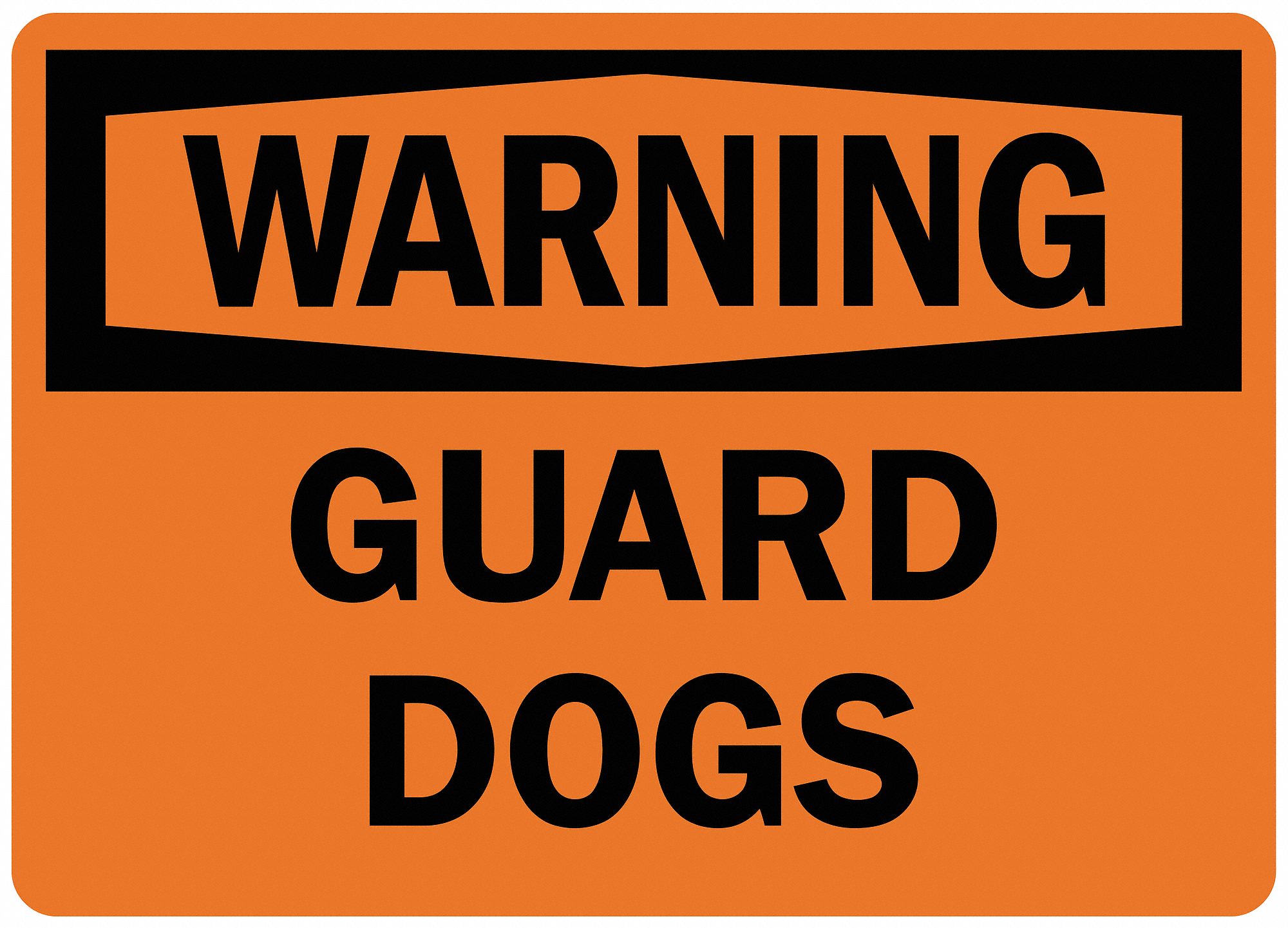
14. Dogs – natures security systems.

Dogs can make spectacular security systems. My tiny 5 pound Chihuahua causes a huge racket if he hears a stranger walking anywhere on my property at night. Although a dog of this size probably won’t scare away and intruder that’s already inside your house, they can be a huge annoyance which might make the burglar flea and try and easier target. Larger dogs can also be trained to attack intruders, and will usually instinctively growl at and intimidate them.
guard dogs sign

15. Make creeping around a painful experience with inhospitable plants.

Some of the most beautiful plants can be inhospitable for strangers trying to break in. Thorny bushes and other plants like the BlackBerry vines, raspberry bushes, rugosa rosebushes or bougainvillea make creeping around yards, climbing fences and sneaking around outside windows a nuisance — and even quite painful.

thorny landscaping

source:www.daughtershomeandgarden.com

16. Hire a property manager.

Property managers can be hired when you are away on vacation or for an extended period of time. Having someone around to mow the lawn, collect the mail or newspaper and simply look after the place can make your home look lived in so that potential robbers don’t think your place is an easy target.

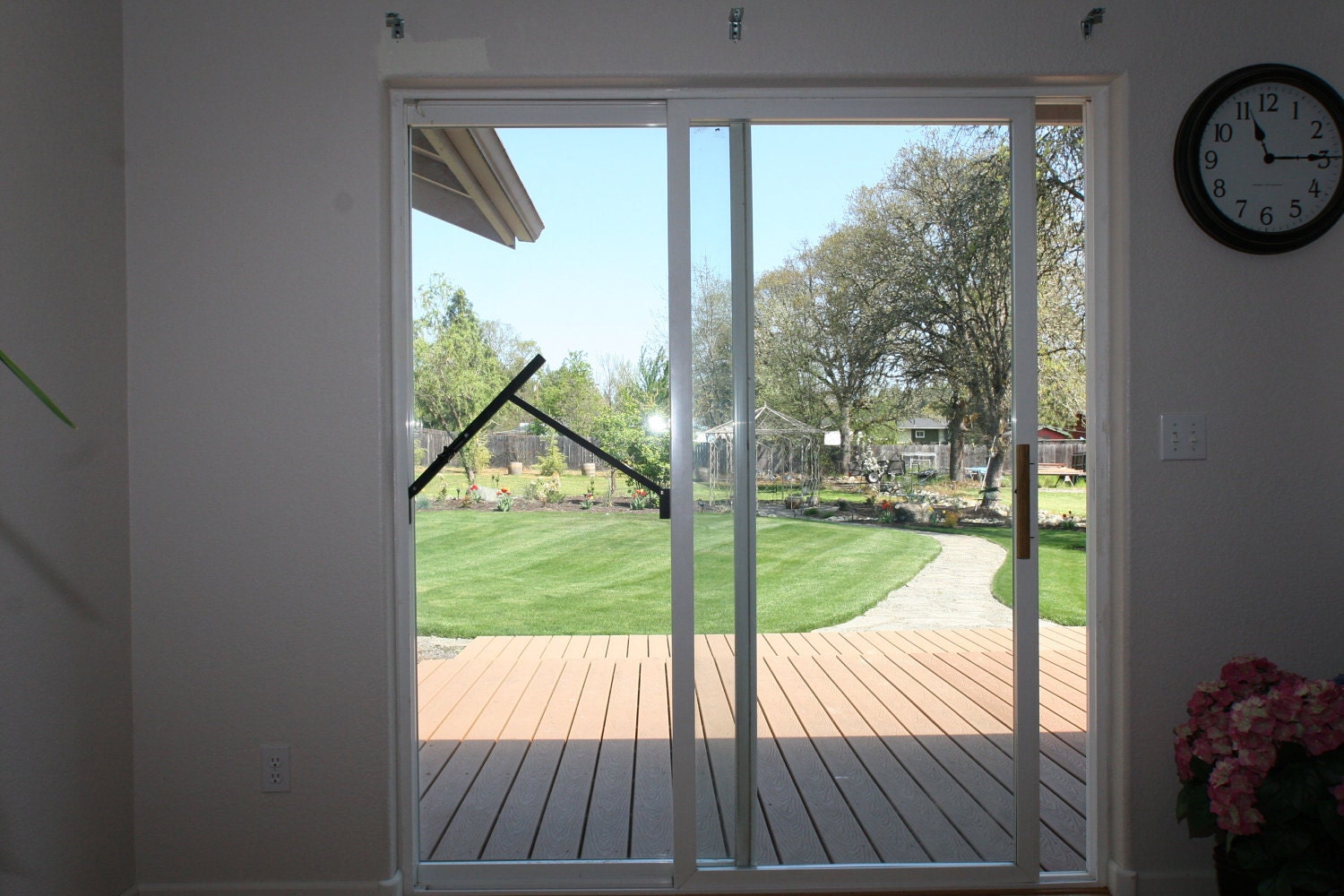
17. Secure sliding doors.

When I lived in my apartment, I hardly had any security features. And because it was an apartment that I rented, I wasn’t even allowed to install anything on windows or doors. Because of this, the best I could do was to put a strong piece of metal or wood in the frames of all sliding glass doors and windows. This was very effective as you cannot slide the door when there’s a strong piece of material blocking it from sliding.  I also like this security bar from Masterlock.  It’s great for sliders, but you can also prop it under a door knob on a regular door, to stop an intruder from pushing a door inward.

locked sliding doors

source:bumagidoorsecurity.blogspot.com

18. Invest in decorative metal grids.

It can be fairly easy for an intruder to smash a window on a door, allowing them to seamlessly slip their hand through the shattered glass, unlock the door and let themselves in. Adding some metal grid work to the insides of doors with large windows makes this feat a little more difficult.

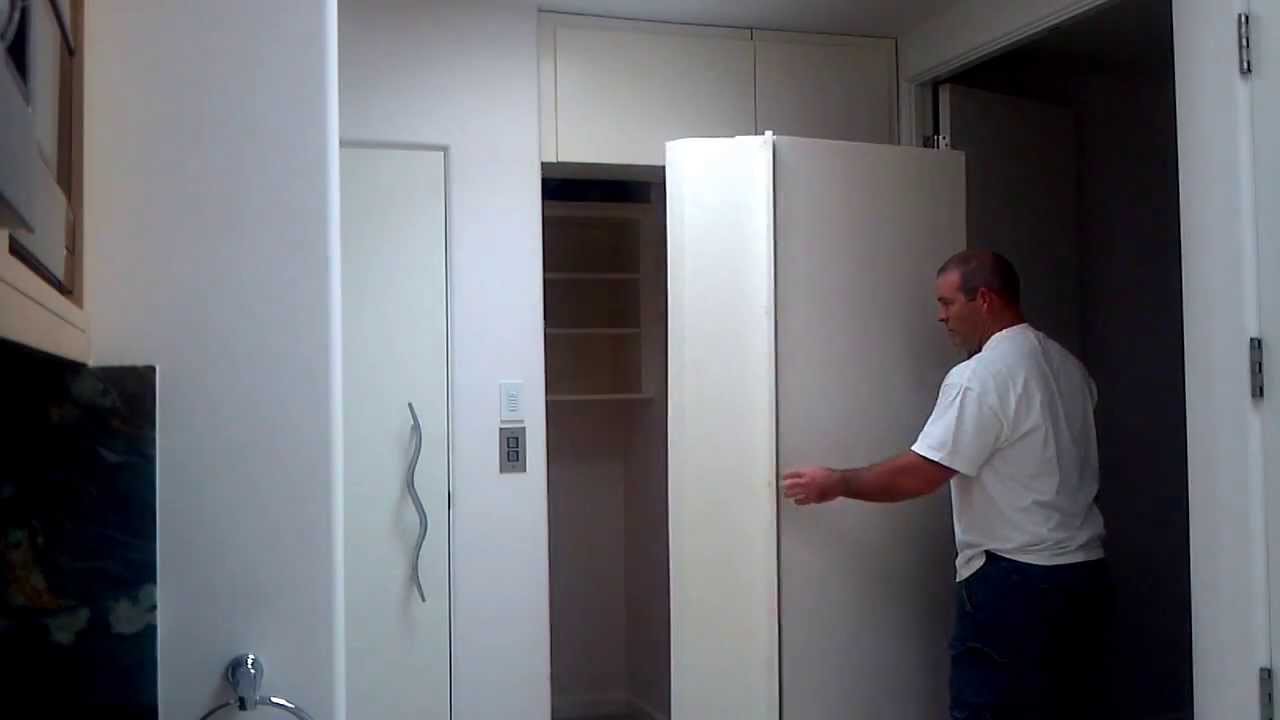
19. Set up a secure hiding spot.

In a worst case scenario where are your security features have failed you, it’s always important to at least have one area in your home that you can secure yourself in until help arrives. This can easily be done by reinforcing a bedroom door that has a good quality metal frame. You can also replace the flimsy interior door with an exterior one. Ensure that you have a phone or computer in that room so you can have a way to communicate for help while trapped inside the room. A mechanism for self defense is also helpful such as pepper spray, a fire arm, a baseball bat or anything that will help you protect yourself from a possible attack.  You could even consider setting up a walk in closet as a secure panic room with reinforced doors and hinges.  This is also a great place to secure any firearms you may keep in the house, or make sure your firearm safe is in this location as well.  There’s a great book I recommend called The Secure Home which can show you how to build a multi-purpose safe room in your house as well as implement many other kinds of personal security measures.
closet panic room

source:youtube.com


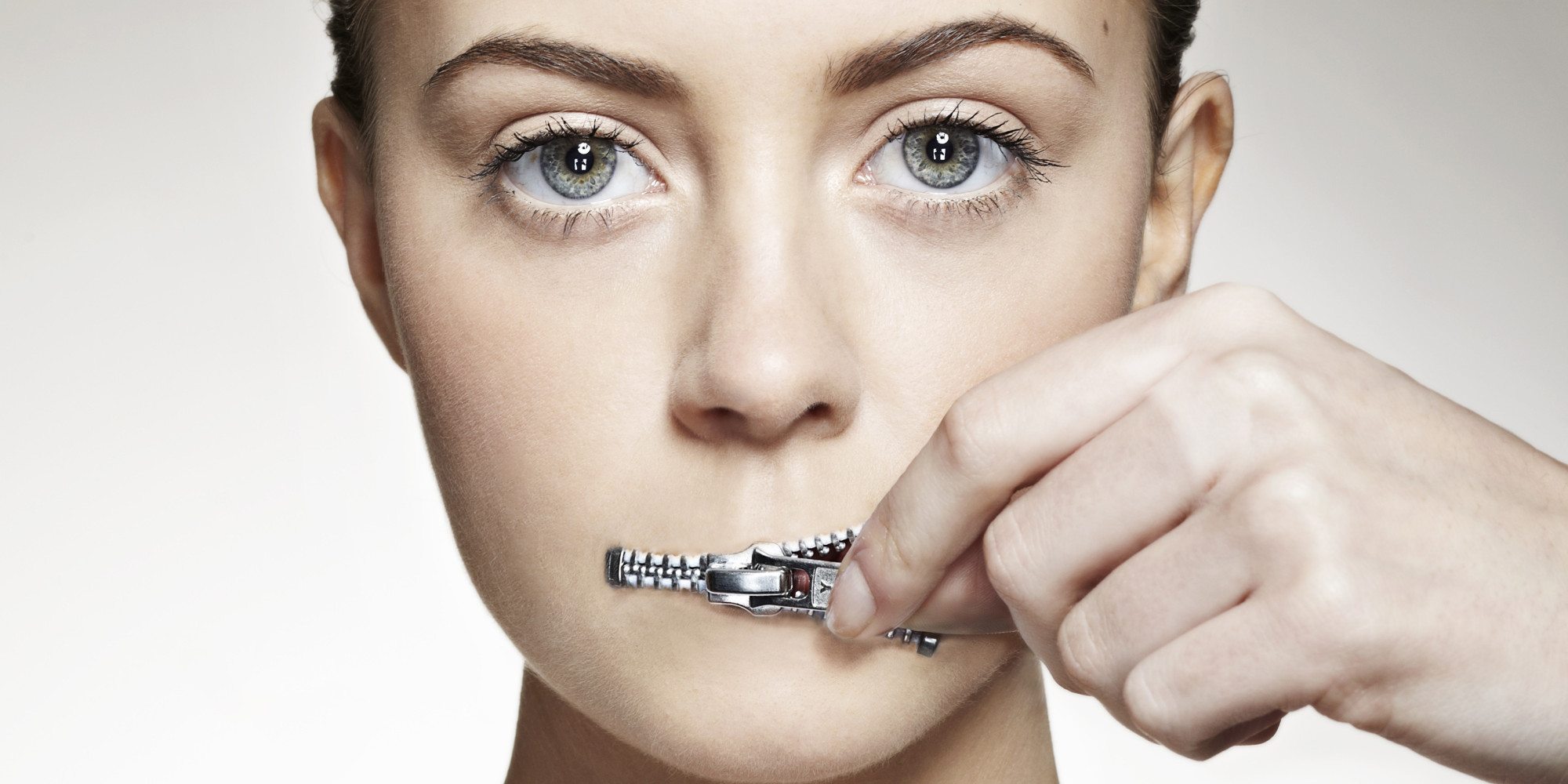
20. Keep you mouth shut.

I know, I have been going on anon about all the safety mechanisms that I’ve put in place to keep my home secure when in fact, this is one of the worst things you can do. One should never discuss your security efforts, what do you have installed, where you’re storing valuable items, etc. Staying silent is something that could prevent a break-in. If people don’t know you have it, they won’t know that they want it — or can try to acquire it.

shut your dirty mouth

source:thefools.org

One Final Piece of Advice

As a bonus step in securing your home, one of the best pieces of advice that I can pass on to you is to think like a burglar. Try pretending you are a burglar while walking around your place. Look at all the points of entry. Are they secure? Could you get inside if you had lost your keys? Does your home look like a thief’s paradise by showcasing your big screen TV and Xbox system right in front of large windows? Do you have ample places to sneak around in the dark with lots of bushes and trees to hide behind? Simply practicing crime prevention by following these tips and adding security features to your home means you are on the right track to safeguarding your family, your possessions and doing your best to keep your mind at rest.

Source: 20 Ways To Secure Your Home & Keep Your Family Safe by Roger Steele via Ready Tribe - Don't Just Survive, Thrive!.


martes, 27 de octubre de 2015

The Best Camping Hammock

For most people, camping evokes images of trekking into the pristine wilderness and drifting off to sleep with an unobstructed view of the night sky. Camping enables you to get away from the stresses of everyday life and enjoy the great outdoors. It can also be your best option during an end times scenario. Although you need the right equipment for a wilderness survival situation or weekend recreational outing, the freedom and pleasure of camping remains an elusive quest for many because of their unmanageable logistics trail. The Neolite Double Camping Hammock is a versatile piece of gear that enables you to lighten your load because it can serve numerous purposes.

The Neolite Double Camping Hammock

The Neolite Double Camping Hammock is a comfortable, easy to hang piece of equipment that is ideal for camping, backpacking or just relaxing in the backyard or at the beach. The compact, ultra lightweight hammock is made from strong, breathable woven parachute nylon fabric using heavy-duty ripple interlocking stitching. Along with the required hanging ropes, the quick-drying hammock comes packed in an integrated drawstring storage bag so that you have one less item to worry about losing. The bag can double as a convenient place to store small personal items like keys and phones or other gear when relaxing in the hammock.

The go-anywhere, do-it-all hammock sets up in minutes. The ingeniously designed nautical-grade ropes incorporate a series of overhand knots that produce small loops. Wrap the cord around a pole or tree and select the loop that provides the desired length. Once the ropes are in place, use the steel carabiners to click the hammock in position to provide a comfortable relaxing spot for two people. When properly waterproofed, the extra fabric can be slung over a single person to create a cocoon that provides a light barrier against bugs and the weather.

When unfolded, the hammock is 10 feet 6 inches long and 6 feet 6 inches wide. When you are ready to take it down, the hammock easily fits back inside the storage bag. After it is rolled up, the hammock is about the size of a football at 7 inches tall and 5 inches in diameter. Although it weighs only 19 ounces, a Neolite Double Camping Hammock can support up to 400 pounds.

Why Use a Hammock Instead of a Tent

When camping or bugging out, the weight of your equipment is a major consideration. You cannot use what you cannot carry. The gear required for shelter and sleeping often take up the most room in a vehicle or backpack. As a compact versatile sleeping solution, a hammock provides some real advantages while enabling you to sleep almost anywhere.

Multi-purpose, Space Saver

The hammock also eliminates the need for bulky sleeping bags, pads and tents along with the accoutrement required to erect the shelter like poles and stakes. This leaves more room for essentials like food, water and first aid supplies. Hammocks are usually stored in a drawstring pouch that can also be used to store a flashlight or a multi-purpose tool. Although it appears large, the hammock is like most modern tents. It is easily folded and repacked.

Better Sleeping

While tents are commonly used for outdoor sleeping, some find lying on the hard ground unappealing. A good option is a camping hammock, as it provides a sturdy elevated place to sleep. Rocking back and forth suspended above the ground in the supportive fabric eliminates the stiff backs and sore hips that often occur after sleeping on the hard ground. You can enjoy sleeping in the fresh air and wake feeling relaxed and rejuvenated. The hammock allows you to see the stars, stand up and walk around if you like without the hassle of unzipping tent flaps or crawling out of a sleeping bag or an enclosed shelter. Sleeping above the ground also keeps you above snakes and other animals that typically wander into campsites.

More Flexibility with Camp Sites

In addition to comfort, hammocks mean that you do not have to spend time searching for an ideal level campsite. Rocky, wet or sloping terrain makes pitching a tent and sleeping on the ground a challenging ordeal. You do not have to make special preparations to the site because the hammock is suspended between two trees roughly 10 feet apart above the surface of the ground. A hammock provides the same comfort every night. Because the ground no longer matters, the hammock is also ideal when stopping for a quick rest or water break. When traveling with kids, it gives them a break after a long hike while you set up the rest of the campsite. Hammocks can double as an emergency blanket or litter as well as a way for hauling gear short distances because you can wrap several items in the hammock if necessary.

Durable, Lightweight and Versatile

Hammocks are generally made from lightweight parachute material that is as strong as it is thin. Rip-stop stitching resists tears and helps prevent any holes that do occur from becoming larger. This is an important feature in a survival scenario. The material also dries quickly. Hammocks are available in single and double sizes. A double provides extra fabric to secure an individual inside the hammock. Sit sideways and the hammock can also be used as a camp chair or outdoor swing for those camping with small children.

The additional fabric can also be used to create a shelter. When equipped with bug netting and a tarp to keep out the wind, rain and pests, the hammock may eliminate the need to carry a tent depending upon local weather conditions. The tarp can also be used to create the same privacy that you enjoy with a tent. A Mylar emergency blanket can be added as an effective way to stay warmer in the hammock during colder temperatures. In a tent, you can lose airflow. The air circulation around the breathable material of the hammock is an effective way to cool down when the temperatures start to climb. Depending upon the weather conditions and other environmental factors, you can bring the accessories that you need and leave the rest at home lightening your load. You can also store them in the bottom of your backpack just in case they are required.

Wrapping Up

While the great outdoors provides a wonderful backdrop for fun and recreation, it may also be the best place to be in a survival situation. In both scenarios, the Neolite Double Camping Hammock is a handy versatile piece of equipment that is easy to carry, store and set up. It can be a lightweight alternative to the traditional methods for shelter and sleeping when camping or engaging in wilderness survival. The strong lightweight hammock can support two people or serve as a mini shelter for a single individual for a full night’s sleep. It is a great way to take an extended break. With the addition of a tarp, bug netting and a blanket, it may effectively replace the requirement to carry a tent, which makes tearing down your campsite easier and quicker. The Neolite Double Camping Hammock is ideal for camping, traveling or relaxing in the backyard. The extremely compact hammock can be used indoors as well as outdoors – check it out at Amazon (lowest price we’ve found).

Source: The Best Camping Hammock by Jacob Mueller via Ready Tribe - Don't Just Survive, Thrive!.


lunes, 26 de octubre de 2015

Tactical Flashlight Personal Defense System

This tactical flashlight can be used as a self defense weapon, and can be carried in plain sight.

This video presentation features SurviTac’s Close Quarter Combatives Technical Advisor, Tim Waid of PTKGO.

A proper tactical light such as the ones used in the video (Nitecore MT26, MH2C), serves as a visual impairment tool, impact tool, force multiplier, and a natural extension for hooking, locking and grappling techniques.

Flashlights can be worn out in the open for easy access legally.  They serve many purposes, mainly to illuminate objects.  However, it can be used to blind an attacker and increase the power of your strike.  This can be a stunning combination for anyone attempting to harm or rob you.

In the daylight it can be used as a light weight, sturdy blunt force object.  And at night, it combines as both a striking tool and a blinding tool.  At the very least, it will shine the way to your house or car so you don’t trip.

Carrying a gun or a blade can kill someone and potentially land you in heavy legal troubles even if you were the victim.  Proper use of a tactical flashlight can temporarily immobilize an attacker allowing you to escape and call the proper authorities.

A flashlight, due to its non lethal nature, can appear non-threatening and its use as a weapon can be easily overlooked by an attacker.  This can put the assailant at a disadvantage.

Remember, being prepared is not just about owning the right tools.  It is understanding how to use those tools and how to act or react in different situations and scenarios.

Source: Tactical Flashlight Personal Defense System by Rick Sunderland via Ready Tribe - Don't Just Survive, Thrive!.


domingo, 25 de octubre de 2015

2 Minute Tarp Shelter Setup

As an avid survivalist, I am always looking for new ways to be better prepared in case of an emergency. I really like this shelter setup. It’s very easy to setup even for a complete beginner and very practical. It’s easy to unpack and setup and even easier to pack it all in and continue moving.

In this video we can see how Dave builds a tarp shelter in a couple of minutes. This type of shelter has been around for 200-300 years. You can set this up in 2-3 minutes with a bit of practice. An excellent choice when you need to get out of the weather ASAP.

I got some tarp from Amazon from here.


Source: 2 Minute Tarp Shelter Setup by Randy Smith via Ready Tribe - Don't Just Survive, Thrive!.